

Moving to Georgetown, TX: The Renter's Guide to Living in Georgetown
July 4, 2026
Thinking about moving to Georgetown, TX? You are in good company. Georgetown has been named one of the fastest-growing cities in America, and a big share of the people arriving here are renters who want the Hill Country lifestyle without an Austin price tag. This is a local renter's guide to living in Georgetown: where it is, what it actually costs to rent right now, the best neighborhoods to look in, what there is to do, and how to find an apartment you will love. If you are weighing a move, this covers the questions renters ask most.
Key Takeaways
- Georgetown sits about 30 miles (a 25 to 30 minute drive) north of downtown Austin, with Round Rock, the tech corridor, and the airport all within easy reach.
- It is one of the fastest-growing cities in the U.S., built around a historic courthouse square often called the most beautiful town square in Texas.
- Renting is more affordable than buying here: as of 2026, one-bedroom apartments average roughly $1,270 to $1,320 and two-bedrooms around $1,650 to $1,700, and the market has softened about 4 to 6 percent year over year, which favors renters.
- The best areas for renters include the Wolf Ranch side of town, the Williams Drive corridor, the Downtown and Square area, and the Inner Loop.
- Cost of living runs about 4 percent below the national average.
- Outdoor life is a real draw: the San Gabriel River, the Blue Hole swimming spot, Lake Georgetown, and miles of hike-and-bike trails.
Where Is Georgetown, TX?
Georgetown is the seat of Williamson County, at the northern edge of the greater Austin metro. From the historic Square it is roughly a 25 to 30 minute drive down Interstate 35 to downtown Austin in normal traffic, about 15 to 20 minutes to Round Rock, and around 35 to 40 minutes to Austin-Bergstrom International Airport. State Highway 130, a toll road on the east side, gives commuters a fast, low-traffic bypass toward the airport and the southern suburbs.
That location is the whole pitch for a lot of renters. You get a distinct small-city identity, a walkable historic downtown, and quick access to big-metro jobs and entertainment when you want them. Georgetown has a humid subtropical climate, with mild, short winters and long, hot summers, which means patios, pools, and river days are a real part of life here for much of the year.
Is Georgetown a Good Place to Live? The Honest Pros and Cons
Short answer: for most renters, yes. Georgetown consistently lands on best-places-to-live lists for its balance of affordability, safety, outdoor access, and small-town character within reach of a major city. But an honest guide names the trade-offs, too. Here is the real picture.
What renters love about Georgetown:
- A genuinely charming, walkable downtown anchored by the 1911 Williamson County Courthouse and blocks of restored Victorian storefronts now filled with independent restaurants, coffee shops, wine bars, and boutiques.
- Strong outdoor access, from the San Gabriel River trails to Lake Georgetown, with parks and swimming holes minutes from most neighborhoods.
- A lower cost of living than Austin, and a rental market that currently favors tenants.
- A safe, community-minded feel where neighbors still know each other, plus well-regarded Georgetown ISD schools.
Trade-offs to go in with your eyes open about:
- The Austin commute is easy off-peak but can stretch toward an hour into downtown during rush hour. If you commute daily, test your route at your actual travel time before you sign.
- The city is growing fast, which means construction and traffic in spots. Growth brings new restaurants and retail, but also road work.
- Georgetown is proudly, traditionally Texan in its culture. Many people love that; just know it is the vibe.
- Summers are hot. Look for an apartment with efficient cooling, good shade, and a pool.
The good news for renters is that most of the classic Georgetown gripes, such as high property taxes and the cost of a new-construction home, are homeowner problems. Renting lets you enjoy the location and lifestyle without a property-tax bill that can top 2.5 to 2.8 percent of a home's value in some Georgetown neighborhoods.
Cost of Living and Average Rent in Georgetown (2026)
Georgetown's overall cost of living sits roughly 4 percent below the national average, which is a meaningful discount for a community this close to Austin. Housing is the swing factor, and right now the rental math is friendly.
Here is what apartment rent looks like across Georgetown as of 2026 (market averages, which vary by neighborhood, age of the community, and amenities):
- Studio: around $965
- One-bedroom: roughly $1,270 to $1,320
- Two-bedroom: roughly $1,650 to $1,700
- Three-bedroom: around $2,070
The overall average lands near $1,540 a month, and, notably, rents have eased about 4 to 6 percent year over year. That downward pressure comes from a wave of new apartment supply, and for renters it means more choice, more concessions, and more room to negotiate a move-in offer than there was a couple of years ago. Many of the newer luxury communities are pricing competitively to fill up, so it is genuinely a good time to be shopping for an apartment in Georgetown.
A quick budgeting rule of thumb: aim to keep rent at or under about 30 percent of your gross monthly income, and remember to factor in electricity, internet, renters insurance, and any pet rent or parking fees when you compare communities. Pricing changes often, so confirm current rates on a community's floor plans page before you fall for a number. You can, for example, check current one, two, and three-bedroom pricing at The Magnolia at Georgetown to see where a newer community lands against these averages.
Best Neighborhoods and Areas for Renters in Georgetown
Georgetown is bigger than its downtown, and where you rent shapes your daily life. These are the areas renters tend to focus on.
The Wolf Ranch side (west Georgetown). Anchored by Wolf Ranch Town Center, an H-E-B-anchored shopping, dining, and retail hub just off I-35 near the river, this side of town is popular with renters who want newer construction, quick errands, and fast highway access. It is also close to the San Gabriel River and its trails.
The Williams Drive corridor. Running northwest from downtown, Williams Drive is one of Georgetown's main arteries, lined with grocery stores, restaurants, and services. Renters like it for value and a central location that keeps commutes manageable whether you are heading downtown, to I-35, or toward the SH-130 corridor.
Downtown and the Square. If walkability and character are your priorities, the area around the historic Square puts you steps from Georgetown's best coffee, dining, festivals, and nightlife. Rentals here trade a little square footage for location and charm.
The Inner Loop and newer developments. The Inner Loop area northeast of downtown, and the newer communities around it, offer some of Georgetown's most modern apartments, often with resort-style amenities, plus easy access to both the Square and I-35. If you want new-construction finishes and a full amenity set, this is a great area to start; you can explore modern one, two, and three-bedroom floor plans in the Inner Loop area to get a feel for what is available.
Near Southwestern University. The area around Southwestern University, the oldest university in Texas, is a quieter, established pocket that appeals to renters who want tree-lined streets and a calm, campus-adjacent feel.
When you compare areas, weigh three things against your budget: your realistic commute, how often you will actually use downtown, and whether you want new-construction amenities or more space for the money.
What It Is Like to Live in Georgetown: Things to Do, Food, and the Outdoors
Georgetown's lifestyle is the reason a lot of renters choose it over a generic suburb. Life here orbits the Square, the river, and the seasons.
Downtown and the Square. Georgetown's downtown is a genuine destination, not just a place to grab lunch. Independent restaurants, wine bars, breweries, coffee roasters, boutiques, and galleries fill the historic buildings around the courthouse, and the calendar is full of markets, live music, and festivals. The city's signature event, the Red Poppy Festival each spring, draws tens of thousands of visitors and reflects Georgetown's nickname, the Red Poppy Capital of Texas.
The outdoors. The San Gabriel River runs through town with an extensive network of hike-and-bike trails, and the Blue Hole, a beloved swimming spot right near downtown, is a summer institution. A few minutes further out, Lake Georgetown offers boating, fishing, paddleboarding, and swimming, and parks like Berry Springs Park and Preserve give you shade and open space. For renters coming from a dense city, this easy access to water and trails is a genuine upgrade to daily life.
Food, coffee, and everyday life. Between the Square, the Wolf Ranch Town Center area, and the Williams Drive corridor, you are never far from an H-E-B run, a good taco, a local coffee shop, or a patio. It is a place built for an unhurried, outdoors-forward routine. If you want a running head start, this list of everything to do around Georgetown is a good place to begin.
Getting Around: The Commute to Austin, Round Rock, and the Tech Corridor
Commuting is the single biggest lifestyle variable in Georgetown, so plan for it. Interstate 35 is the main north-south spine; off-peak it is a quick shot to Round Rock and Austin, but during morning and evening rush the downtown-Austin run can approach an hour. State Highway 130, the toll road to the east, is the pressure-release valve many commuters use to skip the worst of the I-35 congestion.
The payoff is that a lot of the region's biggest employers are a manageable drive from Georgetown. As a rough guide, Dell's headquarters in Round Rock is about 15 to 20 minutes away, Samsung's Taylor campus roughly 25 to 30 minutes, downtown Austin around 30 to 35 minutes, and Tesla's Gigafactory closer to 40 to 50 minutes. Georgetown's own economy leans on healthcare, education, and retail, so plenty of residents work in town, too. And if you work remotely or hybrid, Georgetown is close to ideal: you get the space and affordability out here and only make the drive when you need to.
Schools and Family Information
Renters with kids will be in the Georgetown Independent School District, which generally rates above average and is a frequent reason families choose the area. Southwestern University and other higher-education options are also in or near town. As with any move, verify the specific attendance zones for any apartment you are considering, since boundaries can vary block to block.
How to Find (and Land) the Right Apartment in Georgetown
Georgetown's renter-friendly market is an opportunity, but only if you shop smart. Here is a practical playbook.
- Set your real budget first. Start from the roughly 30-percent-of-income guideline, then subtract for utilities, renters insurance, pet rent, and parking so you compare communities on true all-in cost, not just the headline rent.
- Time your search. Apartment availability and pricing move with the calendar. Summer is the busiest, most competitive leasing season; late fall and winter often bring the best offers. Because Georgetown rents have been softening, ask every community what move-in offer they are running right now.
- Pick your area before your unit. Use the neighborhood guide above to decide whether you are optimizing for commute, walkability, new-construction amenities, or space. It is easier to love an average apartment in the right location than a perfect apartment in the wrong one.
- Tour with a checklist. When you visit, look past the model unit. Ask about what is actually included in rent, cooling efficiency and typical summer electric bills, pet policy and fees, parking, package handling, and how maintenance requests are handled. Walk the actual unit, or one like it, not just the staged model.
- Match amenities to your real life. In a hot climate, a real pool, shaded outdoor space, a fitness center, and in-unit laundry are quality-of-life features you will use constantly. If you have a dog, look for a pet-friendly community with a dog park. It is worth comparing the full amenity sets that newer Georgetown communities offer, because they vary widely.
- Have your application ready. Come prepared with proof of income (typically around three times the rent), ID, rental history, and application fees so you can move quickly when you find the right place, which matters even in a renter's market for the best units.
Why Renters Choose The Magnolia at Georgetown
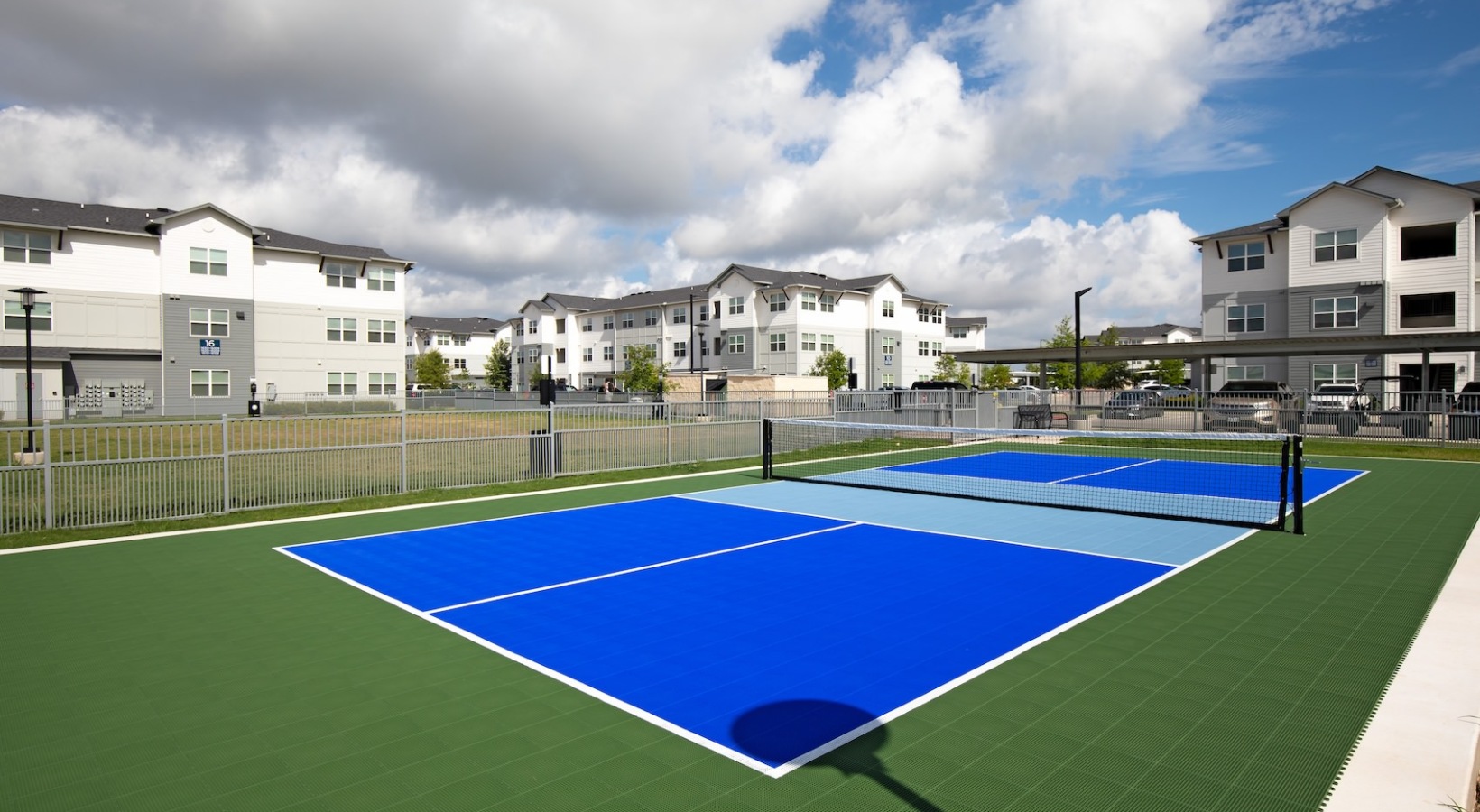
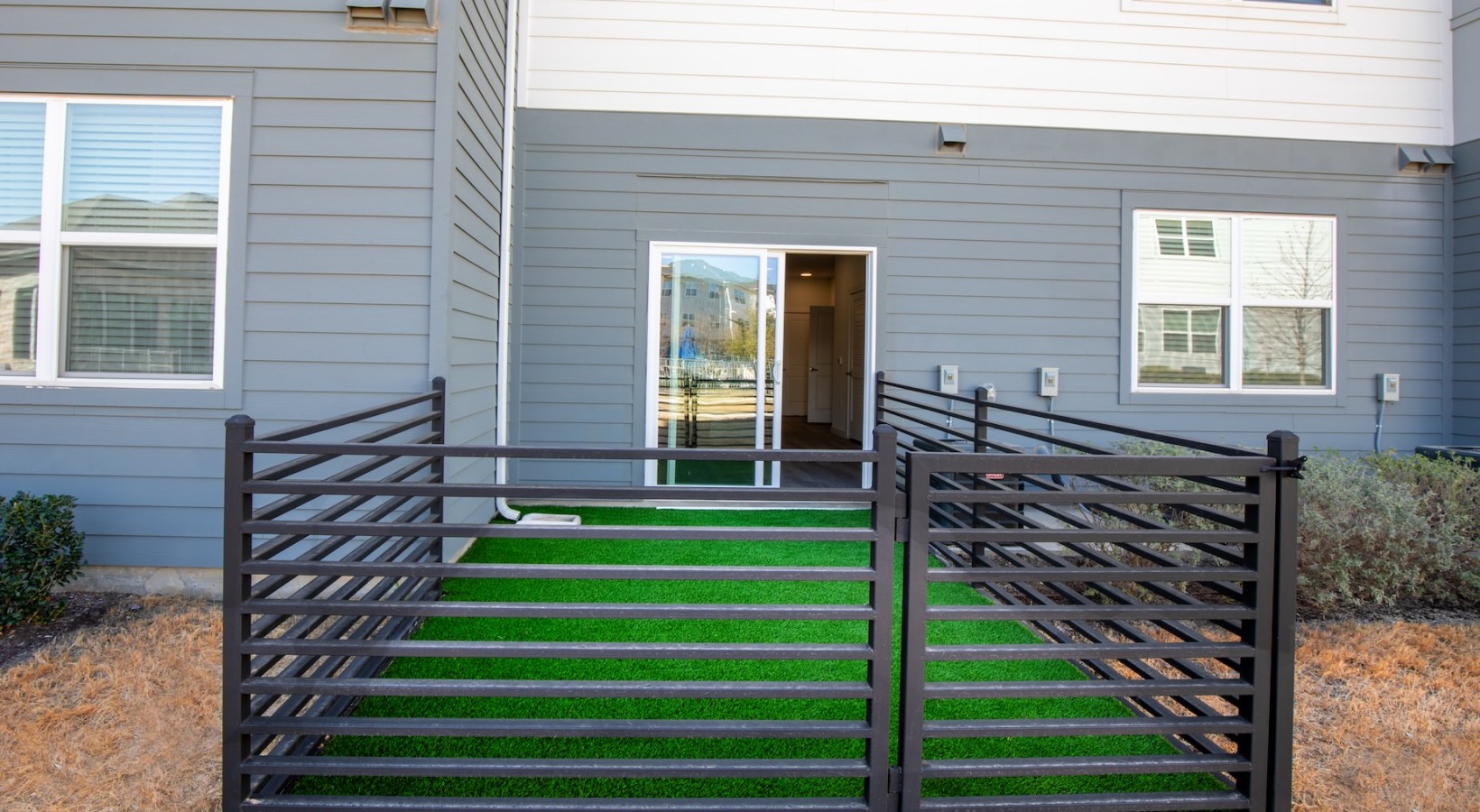
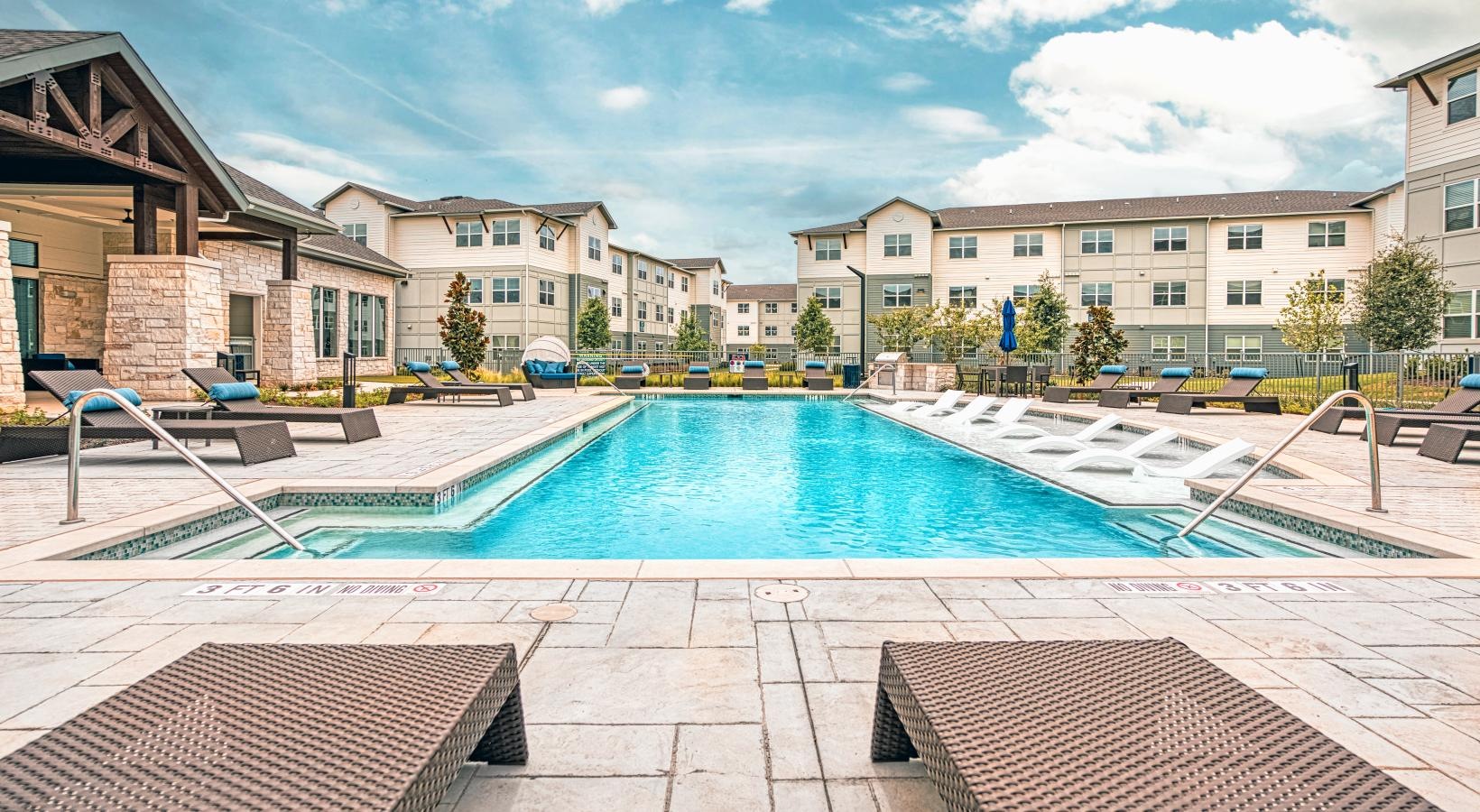
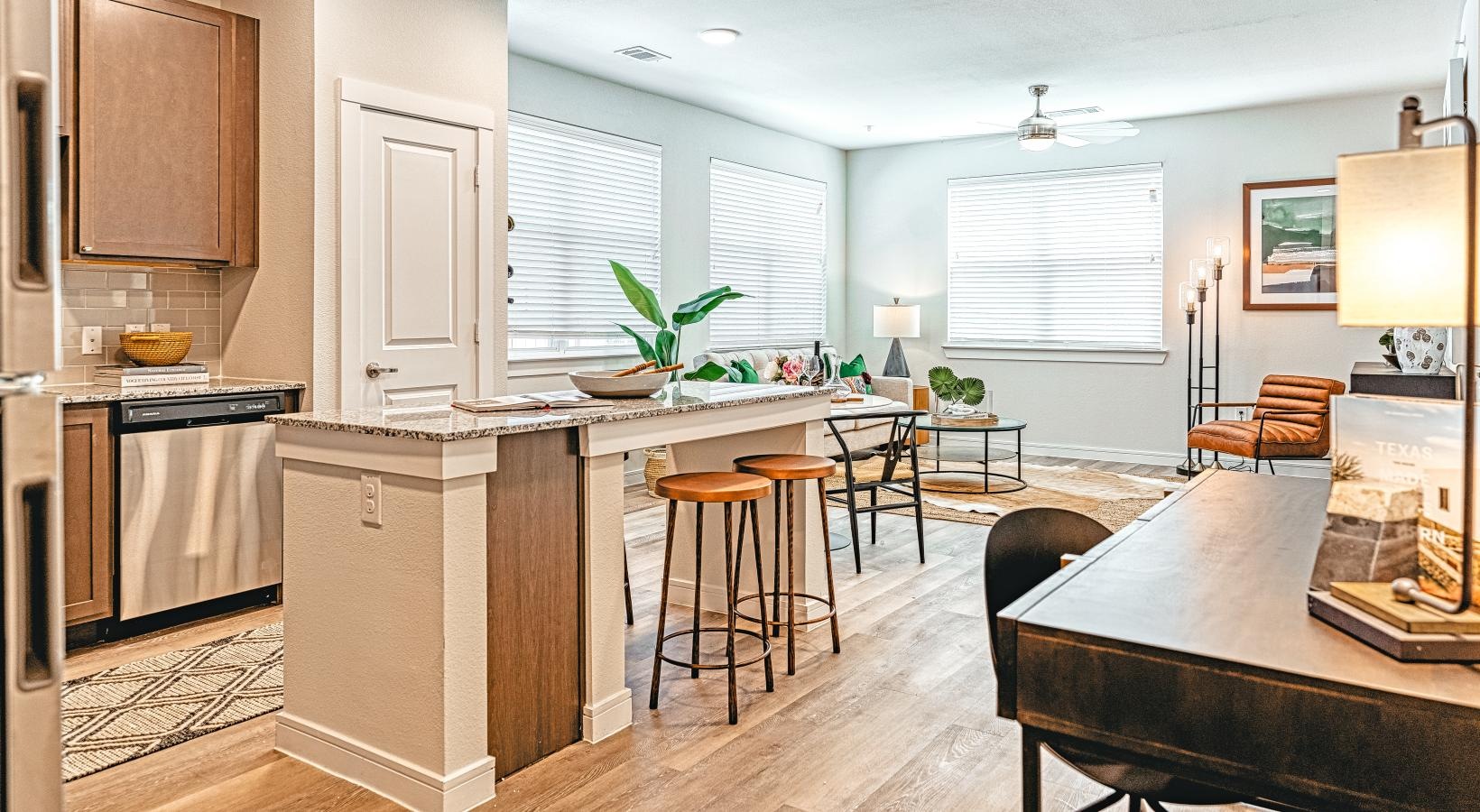
The Magnolia at Georgetown sits on NE Inner Loop, minutes from I-35, Wolf Ranch Town Center, and historic downtown, which puts groceries, shopping, the San Gabriel River trails, and the Austin commute all within easy reach. It is a luxury community with a warm, community-first feel, offering one, two, and three-bedroom apartments with full-size washers and dryers in every home, granite countertops, stainless steel appliances, wood-style plank flooring, and spacious walk-in closets. The amenities lean into how people actually want to live here: a resort-style pool and grilling courtyard, an athletic club, a pickleball court, a sauna and cold plunge, a resident clubhouse and coworking space, and an on-site dog park (some homes even have their own fenced yard). It is genuinely pet-friendly, too, welcoming both cats and dogs with no breed or weight restrictions.
If Georgetown is on your short list, we would love to show you around. Explore our floor plans, schedule a tour, or contact our leasing office to see it in person.
FAQ: Moving to and Living in Georgetown, TX
Is Georgetown, TX a good place to live?
Yes, for most people. Georgetown pairs an affordable-for-the-metro cost of living, a safe and community-minded feel, strong outdoor access, and a charming historic downtown with quick access to Austin's jobs and entertainment. The main trade-offs are a rush-hour commute into Austin and fast local growth.
How far is Georgetown from Austin?
About 30 miles, or a 25 to 30 minute drive down I-35 in normal traffic. During peak rush hour, the trip into downtown Austin can approach an hour, so commuters often use State Highway 130 to save time.
What is the average rent in Georgetown, TX?
As of 2026, one-bedroom apartments average roughly $1,270 to $1,320 and two-bedrooms about $1,650 to $1,700, with studios near $965 and three-bedrooms around $2,070. The overall average is about $1,540, and rents have eased 4 to 6 percent year over year, which is good news for renters.
What are the best neighborhoods in Georgetown for renters?
The Wolf Ranch side of town, the Williams Drive corridor, the Downtown and Square area, and the Inner Loop are the most popular for renters, each balancing commute, walkability, amenities, and price differently.
Is Georgetown, TX affordable?
Compared to Austin, yes. The overall cost of living is roughly 4 percent below the national average, and renting is notably more affordable than buying, especially given Georgetown's property-tax rates, which mainly affect homeowners.
What is Georgetown, TX known for?
Its historic courthouse square (often called the most beautiful in Texas), being one of the fastest-growing cities in the country, and the annual Red Poppy Festival that gives it the nickname the Red Poppy Capital of Texas.
Is Georgetown a safe place to live?
Georgetown is generally regarded as one of the safer communities in the Austin metro, which is a big part of its appeal to renters and families. As always, get a feel for any specific neighborhood by visiting at different times of day.
Does Georgetown have good schools?
Yes. Georgetown ISD generally rates above average, and Southwestern University, the oldest university in Texas, is located in town.